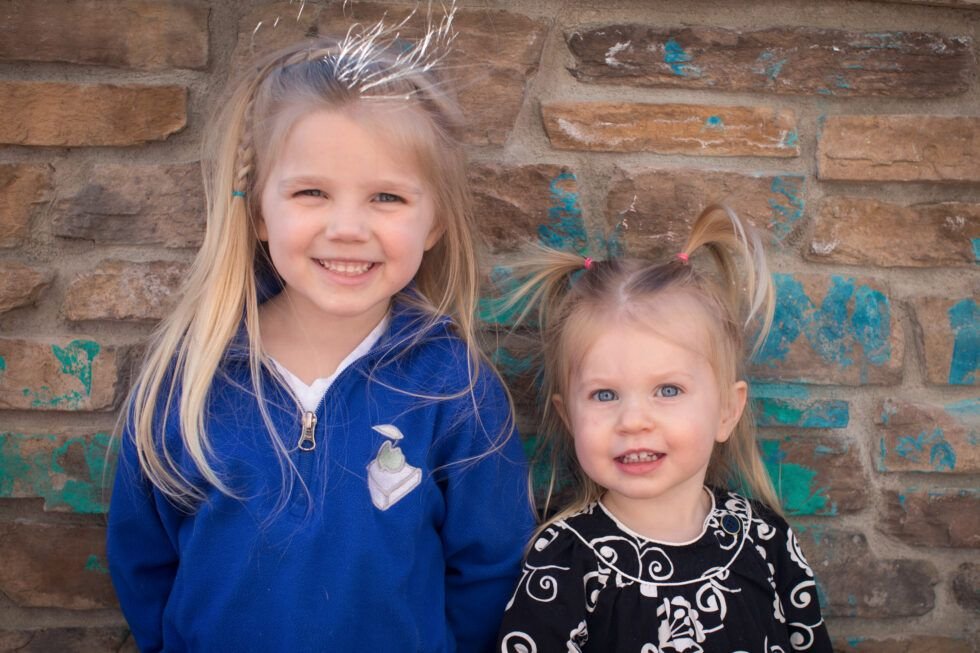
From the very first moments of shared existence, the intricate dance of Sibling Dynamics & Psychology begins to unfold, shaping the landscape of our emotional lives and influencing who we become. These relationships, often the longest-lasting of our lives, are not merely incidental; they are a profound training ground, a crucible where our earliest lessons in love, conflict, loyalty, and independence are forged. Understanding these complex bonds isn't just academic; it's a key to unlocking healthier family interactions and a deeper sense of self.
At a Glance: Decoding Sibling Bonds
- Longest Relationships: Sibling connections often outlast those with parents, spouses, and children, deeply impacting our entire lifespan.
- Foundational Learning: They serve as our first classroom for social skills, emotional regulation, and conflict resolution.
- Influencing Factors: Birth order, age gaps, gender, and parental treatment significantly shape sibling interactions.
- Spectrum of Bonds: Relationships range from deeply supportive to intensely rivalrous, or even estranged.
- Adult Echoes: Childhood rivalries and roles often persist into adulthood, affecting finances, caregiving, and overall well-being.
- Actionable Strategies: With awareness and effort, both parents and adult siblings can cultivate more respectful and fulfilling relationships.
The Enduring Power of Sibling Dynamics: Our First Social Laboratory
Sibling psychology, a vital branch of developmental psychology, delves into the rich, often turbulent, interactions between brothers and sisters. Before we venture out into the world, our siblings are often our first peers, our first rivals, and sometimes, our first confidantes. This constant, often intense, interaction isn't just background noise; it's a fundamental force in individual growth, identity formation, and the blueprint for all future connections. While the family unit has always been central to human development, formal study of sibling relationships truly gained prominence in the latter half of the 20th century, revealing the profound, often underestimated, role these unique bonds play.
Think about it: who else knows you quite like a sibling? They witnessed your triumphs, your tantrums, your awkward phases, and your quiet joys. They shared a common history, a foundational narrative that no one else can fully replicate. This shared history, however, isn't always harmonious, and its nuances are what make sibling dynamics so fascinating and complex.
The Architects of Our Earliest Bonds: Key Influencing Factors
The specific texture of a sibling relationship isn't random; it's meticulously woven from a tapestry of interconnected factors. These elements interact in unique ways within each family, creating distinct patterns of interaction and attachment.
Birth Order: The Unspoken Role Assignment
Perhaps one of the most widely discussed factors, birth order can indeed influence personality traits and behaviors. While not a rigid predictor, general patterns emerge:
- Firstborns: Often described as natural leaders, perfectionists, or highly conscientious. They may carry the weight of parental expectations, striving for achievement and responsibility.
- Middle Children: Frequently develop into skilled negotiators and diplomats, adept at navigating different personalities. They might also feel overlooked, leading to either adaptability or a tendency towards rebellion.
- Youngest Children: Often charming, outgoing, and creative. They may benefit from less parental pressure but can sometimes struggle to be taken seriously or to find their unique niche.
- Only Children: While not having siblings, their dynamic with parents and peers often reflects some qualities seen in firstborns, but without the direct rivalry of siblings.
These roles aren't destiny, but they provide a lens through which we can understand potential initial leanings and common friction points.
Age Gaps: Proximity in Experience or Quasi-Parental Roles?
The number of years separating siblings can profoundly alter their relationship structure:
- Small Age Gaps (1-3 years): These siblings often share an intense bond born from shared experiences, peer-like interactions, and simultaneous developmental stages. This can lead to deep friendships but also more direct competition and rivalry.
- Moderate Age Gaps (4-7 years): Dynamics here can vary. The older sibling might move beyond direct competition, taking on a more protective or teaching role, while the younger sibling might look up to them as a mentor.
- Large Age Gaps (8+ years): Large age gaps frequently result in a quasi-parental dynamic, where the older sibling assumes a nurturing, guiding, or even caregiver role. While direct rivalry is less common, the relationship might lack the peer-level intimacy of closely spaced siblings.
Gender Differences: Unique Intimacies and Intensities
The gender composition of a sibling set also shapes their interactions:
- Same-Sex Siblings: Brothers often experience intense competition for physical prowess or achievement, while sisters might navigate complex dynamics of emotional intimacy, support, and comparison. Rivalry can be particularly intense here as they often compete for the same "lanes."
- Opposite-Sex Siblings: These relationships often develop different bond types, characterized by less direct competition but unique patterns of mutual support and understanding. A sister might offer emotional counsel to her brother, while a brother might provide a sense of protection.
Parental Treatment: The Shadow of Perceived Favoritism
Few factors influence sibling relationships as powerfully as parental treatment. Children are keenly attuned to perceived fairness, and any difference can ripple through their bonds.
- Perceived Favoritism: When one child believes a sibling is favored, it can ignite profound resentment, jealousy, and long-lasting rivalry. This isn't always about actual favoritism, but the child's perception of it.
- Unequal Discipline or Attention: Differences in how parents discipline, praise, or allocate their time and resources can fuel a sense of injustice. A child might feel that a sibling "gets away with more" or "receives more love." The impact of the impact of perceived favoritism can stretch far beyond childhood, sowing seeds of conflict that resurface decades later.
- Fairness and Individual Appreciation: Conversely, when parents strive for fairness (which doesn't always mean treating everyone identically, but rather meeting individual needs equitably) and genuinely appreciate each child's unique qualities, they cultivate stronger, more supportive bonds built on mutual respect.
A Spectrum of Sibling Connections: From Allies to Adversaries
Sibling bonds are rarely static; they evolve and exist along a vast spectrum, often shifting in intensity and quality over a lifetime.
Close and Supportive: Lifelong Confidantes
These relationships are the ideal many envision: strong emotional bonds, mutual respect, unwavering loyalty, and shared joy. Characterized by deep trust and the ability to lean on each another through life's challenges, these often evolve into lifelong friendships, providing a crucial sense of belonging and unconditional support. They are the people who truly "get" you, warts and all.
Rivalrous and Competitive: The Constant Scrutiny
Competition is a natural part of growing up, but when it becomes the dominant mode, siblings constantly try to outdo each other for parental attention, academic achievements, athletic prowess, or social status. While a healthy dose of competition can spur personal growth, excessive rivalry can be emotionally draining and lead to lasting resentment. Understanding the roots of childhood rivalry often involves looking at underlying insecurities or a perceived scarcity of resources (like parental affection).
Distant or Estranged: The Unspoken Void
Not all sibling relationships thrive. Distant bonds might involve infrequent contact and superficial interactions, while estranged relationships are marked by a complete lack of contact, often for years or decades. These outcomes can stem from deep personality differences, divergent life choices, unresolved conflicts, or traumatic shared experiences. Estrangement often leaves individuals with a profound sense of loss, grief, or lingering questions.
Caretaker-Dependent: The Protective Role
This dynamic is common in families with significant age gaps or when one sibling has special needs. One sibling naturally assumes a protective, nurturing, or even quasi-parental role, often feeling responsible for the well-being of the other. While deeply loving, this can sometimes lead to an imbalance in the relationship, where the caretaker sibling may feel burdened or the dependent sibling may struggle for full autonomy.
Sister Relationships: Unique Intimacy and Intensity
Sister relationships often feature a unique blend of high emotional intimacy and deep support. Sisters frequently act as confidantes, sharing vulnerabilities and navigating life's milestones together. However, this closeness can also be fertile ground for intense competition and comparison, often fueled by societal expectations around appearance, relationships, or career success. For an even deeper dive into these complex female bonds, understanding sister relationships offers valuable insights into their specific dynamics and challenges.
Navigating Childhood Tensions: The Crucible of Development
Conflict between siblings is not a sign of failure; it's a natural, inevitable, and even necessary part of development. It’s in these early skirmishes that children learn essential life skills.
Why Conflicts Arise
Childhood sibling conflicts are typically driven by:
- Competition for Parental Attention: A child's inherent need for love and validation often translates into vying for a parent's gaze.
- Jealousy: Over toys, privileges, or perceived advantages.
- Personality Clashes: Just like any two people, siblings can have fundamentally different temperaments that lead to friction.
- Desire for Individuation: As children grow, they assert their independence, which can clash with a sibling's similar need for space and control.
- Resource Scarcity: Squabbles over shared items, limited treats, or even "who gets the front seat."
The Parent's Pivotal Role
Parents play a crucial role in mediating disputes and shaping how siblings resolve conflict. This isn't just about stopping the fighting; it's about teaching valuable life lessons:
- Teaching Conflict Resolution: Guiding children through discussions, compromise, and finding mutually agreeable solutions.
- Encouraging Empathy: Helping children understand the other's perspective and feelings. "How would you feel if your toy was broken?"
- Setting Clear Family Rules: Establishing boundaries around sharing, personal space, and respectful communication reduces ambiguity.
- Balancing Fairness with Empowerment: While intervening is sometimes necessary, parents should also empower children to solve problems independently when appropriate, fostering autonomy and negotiation skills.
When Childhood Rivalry Lingers
The way childhood conflicts are managed (or not managed) has lasting implications. Unresolved childhood rivalries can fester, leading to strained adult relationships, carrying emotional baggage, and impacting how individuals interact in future friendships, romantic partnerships, and even workplace settings. The patterns learned in the living room often repeat in the boardroom.
The Lifelong Echo: Sibling Influence on Personal Growth & Future Relationships
The dynamic interplay with siblings shapes far more than just family reunions; it forms the bedrock of our social and emotional competencies.
Learning Life's Essential Skills
Sibling relationships provide unparalleled opportunities to develop crucial life skills:
- Sharing and Negotiation: Learning to divvy up toys, treats, or screen time demands negotiation and compromise.
- Compromise: Realizing that getting your way isn't always possible, and that sometimes, giving a little leads to a better outcome for all.
- Self-Assertion: Standing up for oneself, expressing needs, and setting boundaries are often first practiced with siblings.
- Emotional Intelligence: Navigating a sibling's moods, understanding their perspective, and managing your own reactions contribute significantly to emotional maturity.
- Empathy: Witnessing a sibling's joy or sadness, and understanding its cause, builds the capacity for empathy.
A Blueprint for Future Connections
Beyond specific skills, sibling relationships serve as a foundational template for all future interactions:
- Friendships: The give-and-take learned with siblings often dictates how we form and maintain friendships.
- Romantic Partnerships: Patterns of communication, conflict resolution, and emotional expression established in the sibling dynamic can echo in intimate relationships. Do you default to competition, deference, or collaboration?
- Workplace Interactions: Hierarchies, teamwork, and dealing with authority figures or peers can all be influenced by early sibling experiences. If you were always the middle child, you might naturally gravitate towards mediating roles in group projects.
When Childhood Shadows Lengthen: Adult Sibling Rivalry
While many sibling relationships mature into supportive friendships, it's a stark reality that rivalry frequently persists into adulthood. The childish squabbles over toys and attention often evolve into more complex, and sometimes more damaging, conflicts over career success, financial standing, inheritance, and the demanding responsibilities of elder care.
The Persistence of Old Patterns: "Family Systems Homeostasis"
This phenomenon is often rooted in what family therapists call "family systems homeostasis," where adults revert to established childhood roles and patterns of interaction, especially when under stress or gathered in the family home. The moment you step back into your childhood home, you might unconsciously slip back into being "the responsible older sister" or "the rebellious younger brother." Exploring the influence of birth order can shed light on why these roles feel so ingrained.
Birth Order Revisited: Adler's Insights into Adult Friction
Alfred Adler's Birth Order Theory provides a useful framework for understanding common sources of friction in adult sibling relationships:
- Firstborns: Often conscientious, responsible, and dominant, firstborns may continue to view younger siblings as threats to their authority or established status. They might criticize younger siblings' life choices, offer unsolicited advice, or subtly resent their achievements, feeling a need to maintain their perceived superiority.
- Middle Children: Having often felt overlooked or compelled to be diplomatic, middle children might harbor a lingering sense of injustice or resentment regarding perceived favoritism from their parents, even decades later. They might feel their contributions are minimized or that they consistently have to mediate family disputes.
- Youngest Children: Often charming and sociable, youngest children can struggle to be taken seriously as adults. They might resent being patronized by older siblings or excluded from serious family decisions, while older siblings may, in turn, resent the youngest's perceived "easier ride" or lack of responsibility.
Common Triggers for Adult Conflict
Beyond birth order roles, specific life events often ignite or exacerbate adult sibling conflict:
- Social Comparison: Success in careers, family life, or financial status can disrupt established "natural hierarchies" and trigger deep-seated insecurities or competitive urges. If one sibling achieves significant professional success while another struggles, it can reignite old rivalries.
- Elder Care: This is arguably the most potent trigger. As parents age, decisions about their care, finances, and medical treatments can resurface old feelings of favoritism, competition over money, and resentment over perceived unequal responsibility. Who is doing more? Who is paying more? Who gets to make the final decision? These questions can quickly devolve into painful disputes.
The Cost of Unresolved Rivalry
The impact of unresolved adult sibling rivalry is far from trivial. It can correlate with increased rates of depression and anxiety, and lead to outright estrangement, affecting an estimated 8-15% of adult siblings. This "relationship spillover" can also negatively impact other personal and professional relationships, as unresolved family dynamics bleed into how individuals interact with spouses, friends, and colleagues.
Reclaiming the Bond: Strategies for Healthier Adult Sibling Relationships
While deep-seated patterns are hard to break, adult siblings can proactively work to mitigate rivalry and foster healthier, more respectful dynamics. It requires intentional effort and a willingness to see the relationship through a new lens.
1. Reframe the Relationship: Adult to Adult
One of the most powerful steps is to consciously view your sibling as a separate, complex adult, not merely a childhood caricature or the person you "grew up with." Recognize that they have evolved, just as you have. Release the need to assign old roles or revisit ancient grievances with the same intensity. This means acknowledging their adult choices and experiences, even if you don't fully agree with them.
2. Stop Triangulation: Direct Communication is Key
When conflicts arise, resist the urge to involve parents or other family members as go-betweens. Communicate directly with your sibling. If a dispute involves a parent, speak to your sibling about your feelings and perceptions first, rather than recruiting a parent to take your side. This avoids perpetuating the childhood pattern of vying for parental favor.
3. Validate Different Experiences: Empathy for Shared History
Acknowledge that while you shared the same parents and household, you likely had distinct experiences and perceptions of your shared upbringing. "My childhood was different from yours, even though we were in the same house," is a powerful statement. Validating their reality doesn't mean agreeing with it, but recognizing its legitimacy for them. This paves the way for understanding instead of argument.
4. Consider Low-Contact: Protecting Your Well-being
If, despite your best efforts, the rivalry remains toxic, emotionally draining, or actively harmful to your mental health, considering a period of low-contact or even no-contact might be necessary. This isn't about giving up, but about self-preservation. It's a difficult decision but sometimes essential for emotional well-being. For those facing intense, persistent friction, exploring strategies for resolving adult sibling conflict can provide more detailed approaches, including when to seek professional mediation.
Cultivating Connection: Nurturing Stronger Sibling Bonds
Whether you're a parent guiding young children or an adult seeking to improve existing sibling relationships, the goal is always to move towards mutual respect, preventing the past from dictating future connections.
For Parents: Laying the Foundation
- Encourage Individuality while Fostering Unity: Celebrate each child's unique talents and interests, but also create traditions and opportunities that build a shared family identity and a sense of belonging.
- Teach and Model Effective Communication: From a young age, teach children how to express their feelings respectfully, listen actively, and articulate their needs. Model these behaviors in your own interactions.
- Create Opportunities for Positive Shared Experiences: Family games, vacations, collaborative projects, or even simple routines can build a reservoir of positive memories and strengthen bonds.
- Recognize and Appreciate Each Child's Unique Qualities: Avoid direct comparisons. Instead, praise specific efforts and character traits in each child, showing that their value isn't dependent on outperforming a sibling.
- Address Conflicts and Perceived Favoritism Promptly and Fairly: Don't let resentments fester. Intervene when necessary, listen to all sides, and explain your decisions, emphasizing fairness rather than identical treatment.
For Siblings: Building Bridges as Adults
- Communicate Openly (and with a Plan): If you want to address a long-standing issue, choose a calm time and place. Focus on your feelings ("I feel...") rather than accusations ("You always...").
- Establish Boundaries: It's okay to say no to requests that overextend you, or to set limits on discussions that always devolve into conflict.
- Seek Shared Interests (Beyond Family Drama): Find common ground—a hobby, a social cause, or even just regular casual catch-ups that aren't focused on family history or grievances.
- Practice Forgiveness (of Self and Other): Acknowledge that you both made mistakes. Forgiveness doesn't mean forgetting, but releasing the emotional charge of past hurts.
- Accept What Cannot Be Changed: Some sibling dynamics, despite best efforts, may not become the ideal you envision. Accepting this can be a painful but liberating step towards peace.
The relationships we have with our siblings are undeniably powerful, shaping our development in profound ways. By understanding the intricate Sibling Dynamics & Psychology at play, and by applying conscious effort and empathy, we can transform these complex bonds from sources of enduring conflict into invaluable, lifelong connections.